Related Articles
- 7 Game-Changing Medical Compliance Apps From the Last 5 Years Redefining User Experience and Data Security
- Unveiling the Impact of Human Factors on Medical Software Adherence in Complex Clinical Settings
- Exploring Ethical Dilemmas in Medical Imaging Software: Patient Privacy and Data Ownership in the Digital Age
- Unveiling the Quiet Revolution: How Medical Imaging Software is Shaping Rare Disease Research and Diagnosis
- 5 Cutting-Edge Medication Management Apps Released Since 2019 Ranked for Accuracy and User Trust
- Unlocking the Forgotten: How Mobile Apps Are Shaping Rare Disease Diagnosis and Patient Advocacy Networks
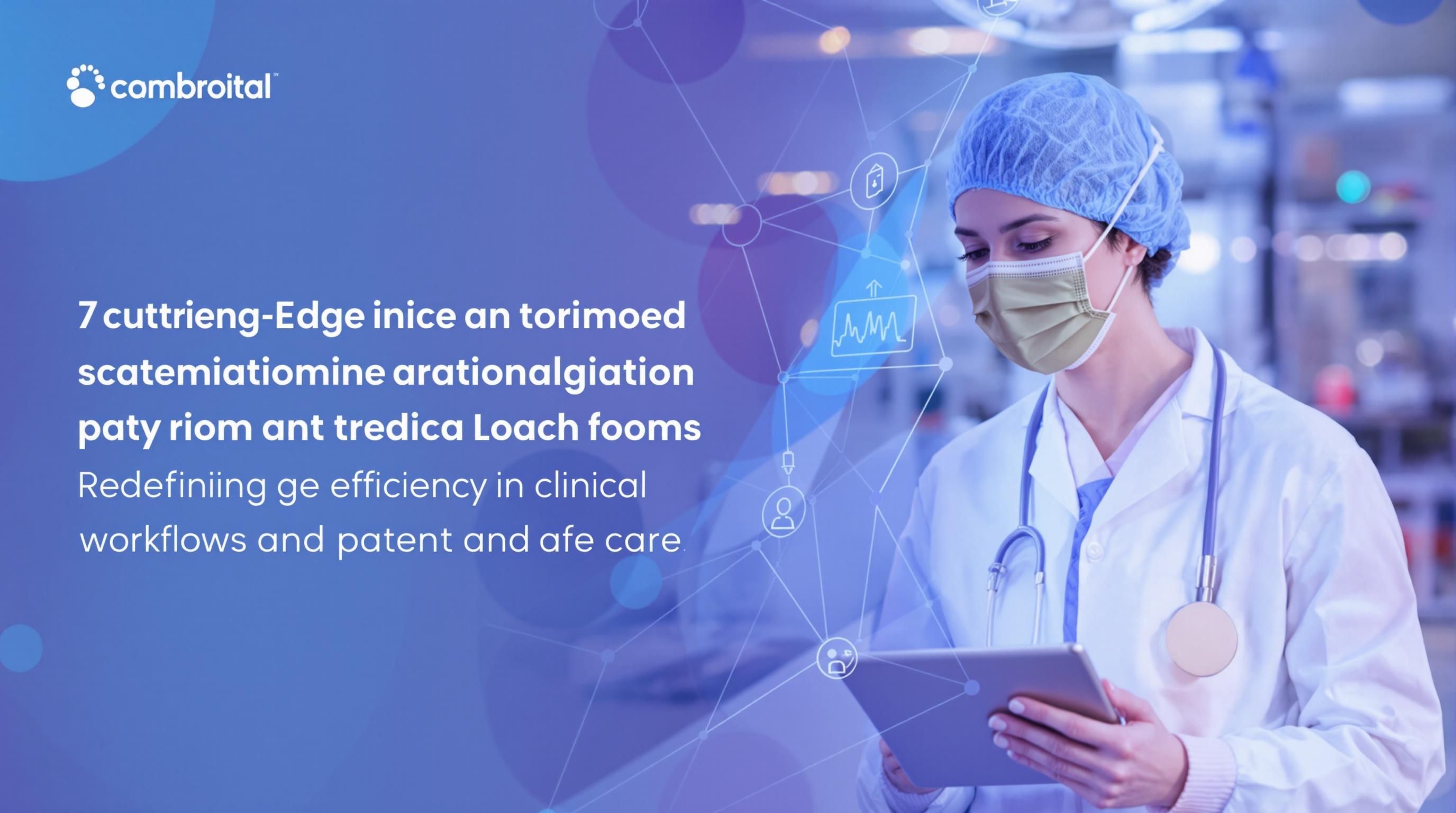
7 Cutting-Edge Automated Medical Software Solutions Redefining Efficiency in Clinical Workflows and Patient Care
7 Cutting-Edge Automated Medical Software Solutions Redefining Efficiency in Clinical Workflows and Patient Care
Medical software is transforming healthcare, making clinical workflows more efficient and patient care more personalized. This article explores seven of the most innovative automated solutions that are reshaping the landscape.
The Rise of AI-Driven Diagnostic Tools
At the forefront of automated medical software is AI-driven diagnostic platforms. These technologies analyze imaging and clinical data with astonishing accuracy, reducing human error and speeding up diagnosis. For example, IBM Watson Health's AI tools have been shown to diagnose certain cancers 40% faster than traditional methods (IBM, 2022). Such platforms not only improve patient outcomes but also streamline workflows, freeing clinicians to focus on treatments rather than paperwork.
When Machines Take Notes: Automated Documentation Systems
Imagine a doctor finishing a patient consult without typing a single note. Automated documentation software transcribes conversations and extracts relevant medical information, easing the administrative burden significantly. This advance could cut documentation time by over 30%, according to a study published in the Journal of the American Medical Informatics Association (2019). Less time on notes translates to more time with patients—a win-win for healthcare providers and recipients alike.
Conversational Tone: Picture this—You stroll into your family doctor’s office, chat about your symptoms, and walk out with a detailed medical record, all without a single keyboard tap. That’s the magic of automated documentation software, which listens and writes in real-time, letting doctors focus on you, not their screens.
Case Study: Streamlining Hospital Operations with Workflow Automation
Take the example of Mercy Health, a major hospital system that implemented workflow automation software across its departments. By automating patient scheduling, lab test ordering, and results dissemination, Mercy reduced turnaround times by 25% and cut operational costs by millions annually (Healthcare IT News, 2021). Such real-world applications showcase how automation is no longer futuristic but a present-day solution enhancing efficiency comprehensively.
Robotic Process Automation (RPA) for Billing and Claims
Handling billing is one of the most tedious yet critical hospital operations. Enter Robotic Process Automation (RPA), software bots that manage claims submissions and error corrections. By detecting discrepancies and resubmitting claims without human intervention, RPA reduces claim denial rates by 15-20%, according to recent industry reports. This not only expedites revenue cycles but also improves patient satisfaction by minimizing billing errors.
Prescription Management Made Foolproof
Automated electronic prescription systems coupled with clinical decision support reduce medication errors—a leading cause of adverse patient events. These systems alert prescribers to potential drug interactions, allergies, and dosage errors before finalizing orders. In a study conducted by the Agency for Healthcare Research and Quality (AHRQ), institutions using such systems saw a 55% reduction in medication errors (AHRQ, 2020).
Persuasive Brief: With medication errors affecting millions globally, automated prescription management isn’t just an option—it’s a necessity for every healthcare facility striving for safer patient care.
Telemedicine Platforms Integrating Automation
The COVID-19 pandemic accelerated the adoption of telemedicine, and integrated automated software solutions have ensured these platforms operate smoothly. Automated patient triage systems guide patients to the appropriate level of care via chatbots, which can handle up to 70% of initial patient inquiries without human intervention (McKinsey, 2021). Such seamless integration allows clinical staff to prioritize complex cases, enhancing overall healthcare delivery.
Humorous Take: Let’s face it—sometimes waiting rooms are like awkward family reunions you don't want to attend. Thanks to automated telemedicine systems, you might just avoid that popcorn-eating crowd entirely while getting the care you need.
Population Health Management Through Predictive Analytics
One of the most exciting frontiers is software that automates population health management using predictive analytics. By aggregating and analyzing large datasets, healthcare organizations can identify at-risk groups and intervene proactively. For instance, Geisinger Health System’s predictive models helped reduce hospital readmissions by 12% within the first year of implementation (Health Affairs, 2020). This proactive approach not only saves costs but also significantly elevates community health standards.
Storytelling: A nurse in a rural clinic once spent hours manually reviewing patient histories to figure out who might need follow-up care. Today, predictive analytics software does the heavy lifting, sending alerts and recommendations directly to her phone—saving time and ultimately, lives.
Data Security and Compliance Automation
With sensitive patient data flowing through numerous automated systems, ensuring security and regulatory compliance is critical. Advanced software now includes automated auditing, encryption, and compliance reporting features. This minimizes human error in adherence to HIPAA and GDPR regulations and builds patient trust. Moreover, automation helps swiftly detect and respond to breaches, safeguarding both patients and institutions from costly repercussions.
Casual Note: Keeping patient info safe sounds like a no-brainer, but with so much tech in play, automated security measures are the modern bodyguards healthcare never knew it needed.
Final Thoughts: The Future is Automated, but Human at Heart
As a 45-year-old health technology enthusiast writing for readers aged 16 to 70, I see a future where automation doesn’t replace the human touch but enhances it. These seven cutting-edge medical software solutions exemplify how technology can relieve providers from tedious tasks and empower them to deliver compassionate, personalized care. The key lies in thoughtful integration—learning to harness algorithms and bots without losing sight of empathy and human connection.
In sum, automated medical software is not just a trend; it is a revolution quietly unfolding within clinical workflows, promising faster, safer, and more efficient patient care worldwide.
Read More