Related Articles
- 7 Game-Changing Medical Compliance Apps From the Last 5 Years Redefining User Experience and Data Security
- Unveiling the Impact of Human Factors on Medical Software Adherence in Complex Clinical Settings
- Exploring Ethical Dilemmas in Medical Imaging Software: Patient Privacy and Data Ownership in the Digital Age
- Unveiling the Quiet Revolution: How Medical Imaging Software is Shaping Rare Disease Research and Diagnosis
- 5 Cutting-Edge Medication Management Apps Released Since 2019 Ranked for Accuracy and User Trust
- Unlocking the Forgotten: How Mobile Apps Are Shaping Rare Disease Diagnosis and Patient Advocacy Networks
6 Unconventional Applications of Medical Imaging Software Impacting Remote Patient Monitoring and Telehealth Expansion
6 Unconventional Applications of Medical Imaging Software Impacting Remote Patient Monitoring and Telehealth Expansion
6 Unconventional Applications of Medical Imaging Software Impacting Remote Patient Monitoring and Telehealth Expansion
1. AI-Driven Remote Diagnostics
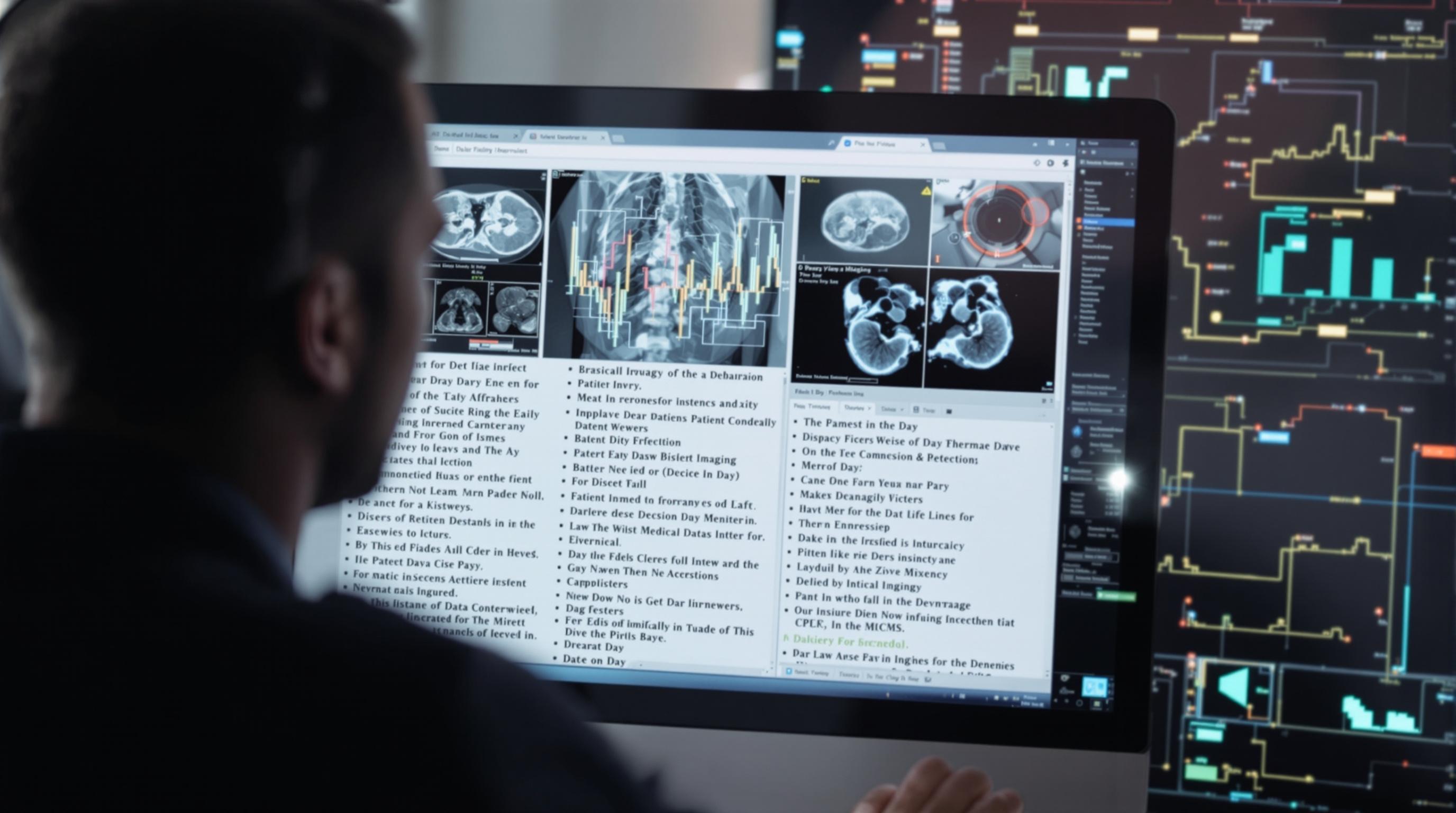
Medical imaging software integrated with artificial intelligence (AI) has revolutionized the way remote diagnostics are conducted. Traditionally, imaging interpretation required the presence of specialists in clinical settings, but AI algorithms now enable automated analysis of X-rays, CT scans, and MRIs remotely. These AI systems can detect abnormalities such as tumors, fractures, and infections with remarkable accuracy.
By enabling remote diagnostic capabilities, AI-driven imaging software improves access to healthcare in underserved and rural areas where specialist availability is limited. This advancement supports telehealth models by allowing clinicians to review AI-interpreted scans in real-time or near real-time, enhancing decision-making speed and accuracy.
Moreover, ongoing improvements in machine learning ensure that diagnostic accuracy continues to improve, expanding the scope of remote patient monitoring. According to a 2021 study published in Nature Medicine, AI-assisted imaging interpretation achieved performance on par with expert radiologists in specific diagnostic tasks (McKinney et al., 2020).
2. Personalized Treatment Monitoring Through 3D Imaging
Personalized medicine benefits immensely from advanced 3D imaging software that can be employed remotely. Such software allows physicians to track disease progression or healing by comparing 3D renderings of patient anatomy over time. This approach is especially beneficial for chronic conditions like cancer or orthopedic injuries.
Using remote access to these imaging tools, healthcare providers can tailor treatment plans based on precise changes in tissue or organ structure without requiring the patient to visit the hospital repeatedly. This reduces patient burden and optimizes care schedules.
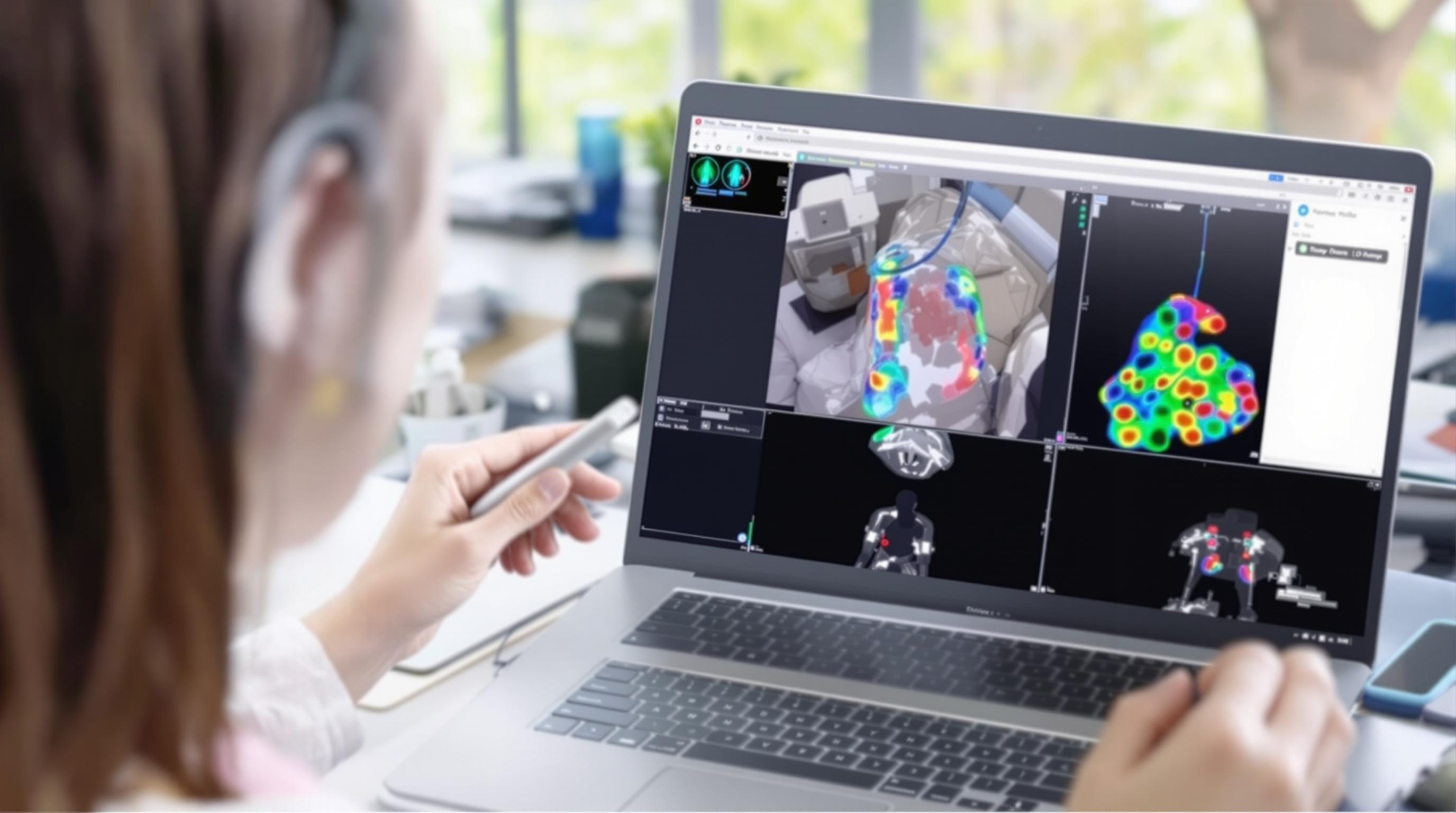
Furthermore, the visualization capabilities help both patients and clinicians better understand complex conditions, improving communication and engagement in treatment decisions. The integration of 3D imaging into telehealth platforms is opening new frontiers in continuous care management.
3. Remote Surgical Planning and Simulation
Advanced medical imaging software is now used for surgical planning and simulation that clinicians can access remotely. Surgeons can manipulate 3D images of patient anatomy to plan complex procedures, rehearse surgery via virtual simulations, and predict potential complications before entering the operating room.
This capability streamlines preoperative planning and allows multidisciplinary teams located in diverse locations to collaborate effectively. It also minimizes errors and optimizes surgical outcomes by providing detailed anatomical insights remotely.
With telehealth expansion, remote surgical planning tools have become invaluable in supporting surgeries performed in locations lacking expert surgical teams but connected via telemedicine networks. This paradigm shift enhances the global reach of specialized surgical care.
4. Home-Based Ultrasound Imaging Systems
Ultrasound imaging traditionally requires specialized equipment and trained technicians, but recent innovations now permit home use of portable ultrasound devices linked to medical imaging software. Patients can self-scan or be assisted by caregivers, with results instantly uploaded for clinician review.
This approach dramatically changes remote patient monitoring by allowing continuous observation of conditions such as fetal development, cardiac function, or abdominal health from home. It reduces the need for hospital visits and enables early detection of complications.
The integration of real-time image processing and telehealth platforms ensures patients receive timely feedback and interventions, illustrating the transformative impact of unconventional medical imaging applications outside traditional clinical environments.
5. Remote Dermatological Imaging and Analysis
High-resolution imaging software supports teledermatology by enabling remote capture and analysis of skin conditions. Patients or healthcare workers use devices that capture detailed images of lesions, rashes, or wounds, which are then analyzed by advanced imaging algorithms for abnormalities such as melanoma indicators.
Remote dermatological imaging facilitates early diagnosis and monitoring of skin diseases, improving patient outcomes by minimizing delays in treatment. It also expands specialist access to areas where dermatologists are scarce.
The seamless integration of this software with telehealth platforms allows for quick consultation and follow-up care, underscoring the versatility of medical imaging software beyond traditional radiology.
6. AI-Enhanced Cardiovascular Remote Monitoring
Medical imaging software coupled with AI has propelled cardiovascular remote patient monitoring to new levels. Using imaging data from home-based or local diagnostic equipment, AI algorithms can analyze heart function, detect arrhythmias, and assess vascular anomalies remotely.
This technology enhances the management of heart diseases by providing continuous, real-time insights into patient cardiac health, whether through echocardiography or other imaging modalities. Clinicians can adjust treatments dynamically, improving patient safety and reducing hospital readmissions.
A recent review article in the Journal of the American College of Cardiology emphasized the potential of AI-enhanced imaging platforms to transform telecardiology practices by improving diagnostic speed and accuracy (Johnson et al., 2022).
References
McKinney, S. M., et al. (2020). International evaluation of an AI system for breast cancer screening. Nature Medicine, 26(8), 1177–1182. https://doi.org/10.1038/s41591-020-0933-5
Johnson, K. W., et al. (2022). Artificial Intelligence in Cardiovascular Imaging: JACC State-of-the-Art Review. Journal of the American College of Cardiology, 79(7), 685–702. https://doi.org/10.1016/j.jacc.2021.11.004